
Updated August 2026
Thinking about renovating your bathroom?
Whether you are planning a complete redesign or simply updating an older space, a little preparation can make the whole process much smoother.
From setting a realistic budget to thinking about layout, plumbing and how long the room will be out of use, there are a few important things worth considering before work begins.
Here are seven things to think about when planning a bathroom renovation.
1. Set a Realistic Budget
Before choosing tiles, taps and fittings, decide how much you are comfortable spending on the project.
Your budget should take into account more than just the visible parts of the bathroom. Depending on the job, costs may also include:
- Plumbing alterations
- Flooring
- Tiling or wall panels
- Electrical work
- Plastering
- Waste removal
- Sanitaryware
- Labour
- Additional work uncovered once the old bathroom is removed
It is sensible to allow some flexibility for unexpected issues, particularly when renovating an older bathroom.
2. Decide What You Want to Change
Think about what is not currently working for you.
Do you need more storage? Is the shower too small? Would you prefer a walk in shower instead of a bath? Is the layout awkward?
Making a list of your priorities can help separate the things you definitely need from the things that would simply be nice to have.
This also makes it easier to discuss the project with your bathroom fitter and get a quotation that reflects what you actually want.
3. Think Carefully About the Layout
Keeping the toilet, basin, shower and bath in their existing positions can sometimes simplify a renovation, but you are not necessarily tied to the current layout.
Moving bathroom fittings may involve altering water supplies, waste pipes or drainage, so it needs to be considered during the planning stage.
In some bathrooms, changing the layout can make a huge difference to how practical the room feels.
A good example might be replacing a rarely used bath with a larger shower, moving a basin to create more floor space or repositioning fittings to make better use of an awkward room.
4. Think About How the Bathroom Will Be Used
A family bathroom may need something very different from an ensuite or guest bathroom.
Consider who will use the room now and whether those needs are likely to change.
Things to think about include:
- Bath versus shower
- Storage
- Ease of cleaning
- Accessibility
- Heated towel rails
- Lighting
- Ventilation
- Space around fittings
Planning around how you actually use the bathroom will usually produce a better result than choosing everything purely on appearance.
5. Choose Fixtures and Finishes Carefully
Tiles, wall panels, taps, showers and sanitaryware have a huge impact on the finished look.
It is easy to get carried away with trends, so try to balance style with practicality.
For example, large format tiles can create a clean finish but may not suit every room. Wall panels can be a practical alternative in wet areas, while different tap and shower finishes can completely change the character of the bathroom.
You should also think about how easy everything will be to maintain once the room is finished.
6. Don’t Forget Ventilation
Bathrooms naturally produce a lot of moisture, so good ventilation is important.
Persistent condensation can contribute to mould and damage finishes over time.
If you are carrying out a full bathroom renovation, it is worth reviewing the existing ventilation at the same time rather than waiting until the new bathroom is complete.
7. Plan for the Time the Bathroom Will Be Out of Use
A complete bathroom renovation involves several stages and will normally mean the room cannot be used for at least part of the project.
The exact timeframe will depend on the amount of work involved.
A straightforward replacement may take less time than a project involving major plumbing changes, floor preparation, plastering, tiling and a completely new layout.
If it is the only bathroom in the property, discuss this before work begins so you know what to expect.
What Happens During a Bathroom Renovation?
Every project is different, but a complete bathroom renovation may involve:
- Removing the existing bathroom
- Altering plumbing and drainage
- Preparing floors and walls
- Plastering
- Electrical work where required
- Installing the new bath or shower
- Installing the toilet and basin
- Tiling or wall panelling
- Flooring
- Final plumbing and finishing
Getting each stage completed in the right order is one of the reasons good planning matters.
Bathroom Renovations in Worcester
Elgar Services carries out bathroom fitting and bathroom renovations across Worcester, Worcestershire and the surrounding areas.
Whether you already know exactly what you want or need some help working out what is possible within your space, we can talk through the plumbing, layout and installation involved.
We can visit the property, discuss the project, take the necessary measurements and provide a quotation for the work.
If a new bathroom is on your list, planning early gives you more time to choose the right layout, fittings and finishes without rushing the decisions.
Contact Elgar Services about a bathroom renovation.
Updated: August 2026
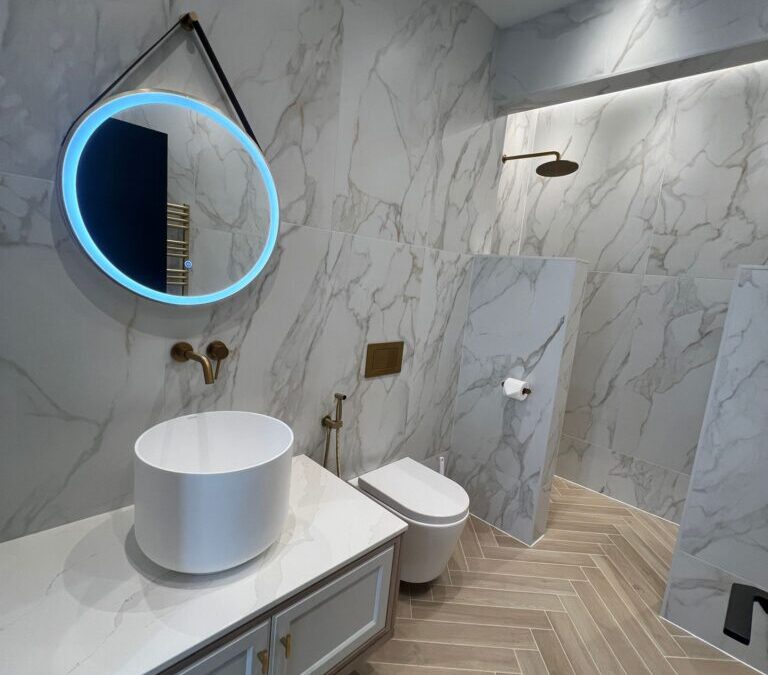
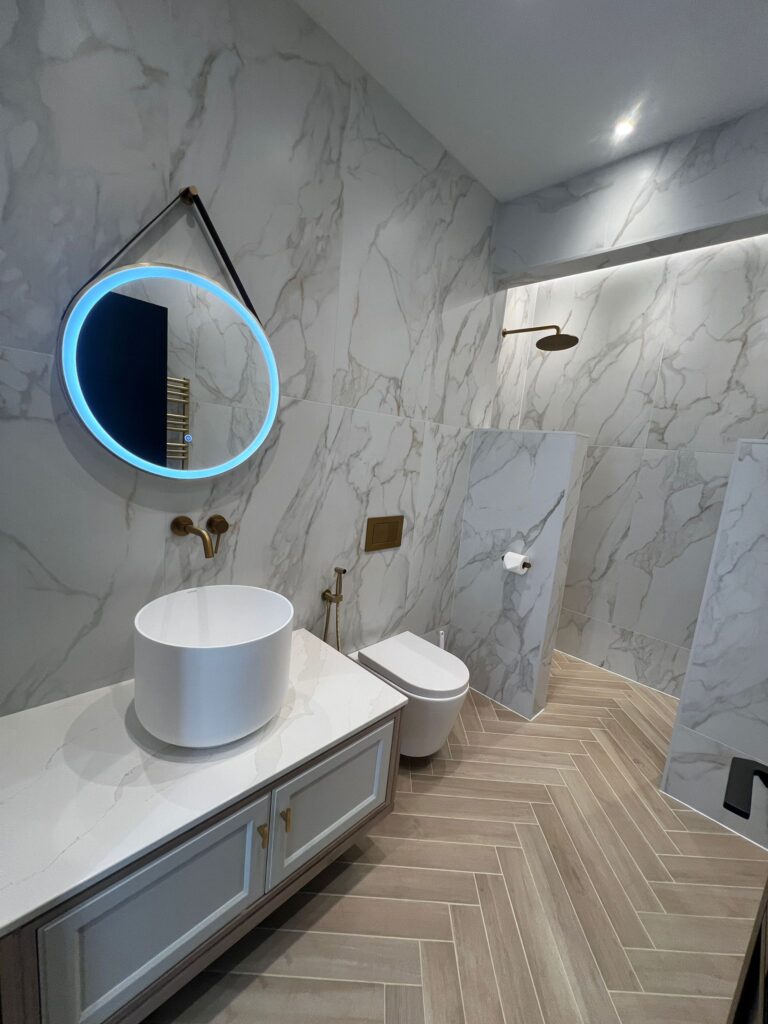
Images shown are examples of bathroom projects completed by Elgar Services.

Recent Comments